.png)
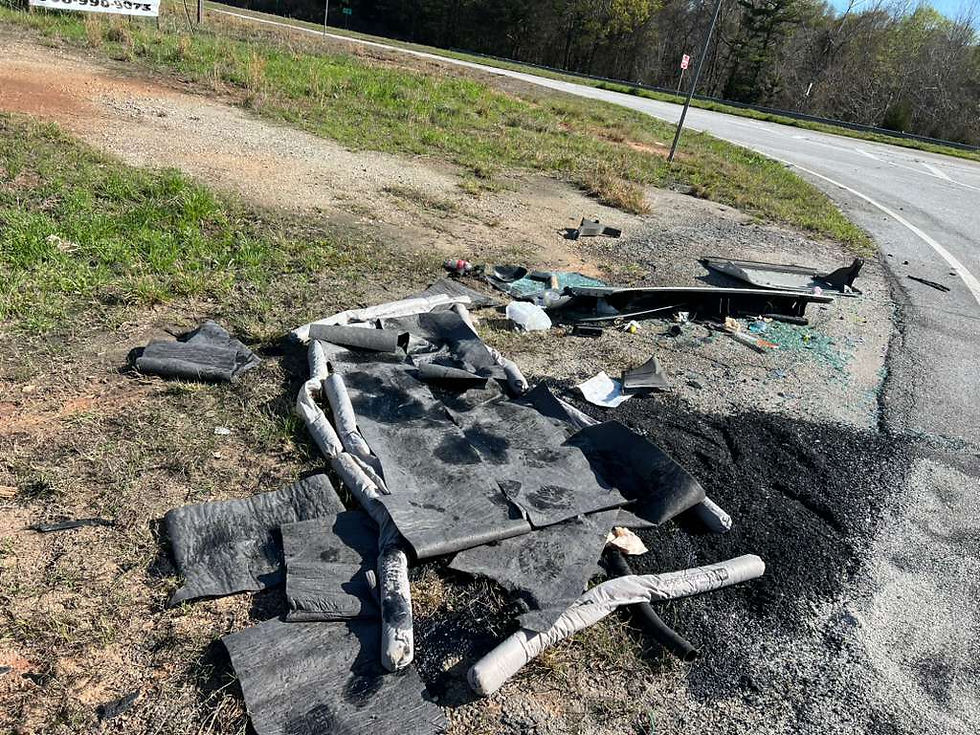
truck accidient
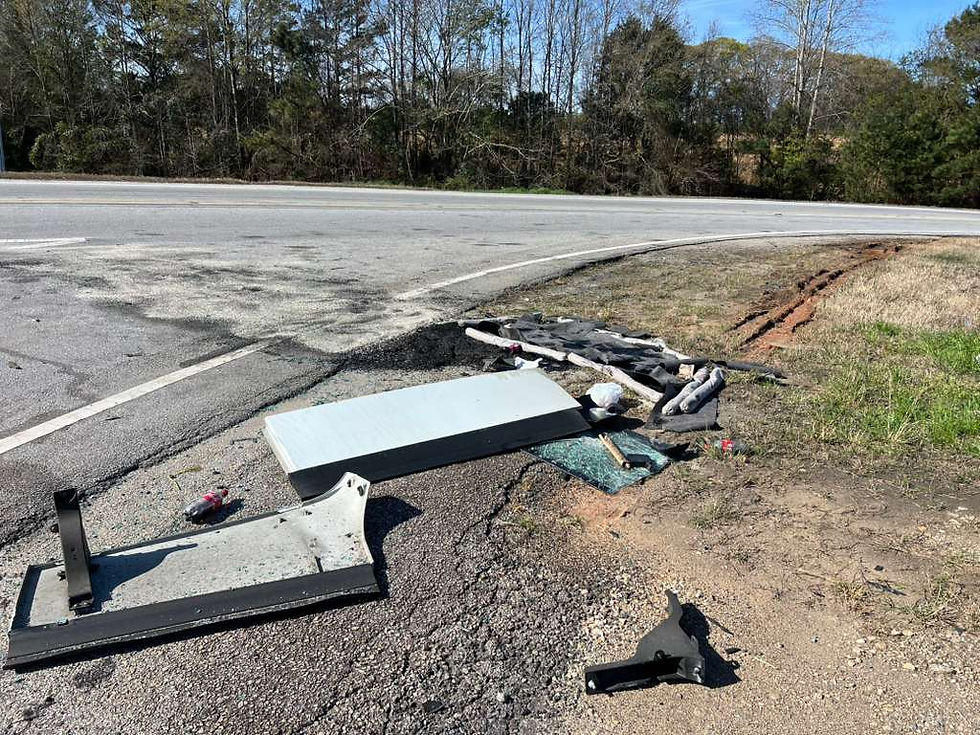

truck accidient
Leartis L. Simon Jr.
17 Mar 2023
The truck rolled over while taking a simple turn.
Truck Accident Case Study of Augustus Transport: New Lesson in Safety
As we all know, in the trucking world, accidents are very common, but real heroes are the ones who learn from such incidents and take steps to mitigate the risks of such incidents happening again, and take the industry forward. Today, we are going to talk about a recent truck rollover accident that was ours only. This is the case that happened on Highway 78 West in Wilkes County, GA. This is the case study of the accident of a truck from Augustus Transport, where we have shared all details of this incident with full transparency.
Not only will we focus on drayage lessons, but we’ll also focus on the best practices for US port drayage and fleet management. If you want to learn logistics safety, supply chain management, or trucking compliance, then this case study is for you.
This case study highlights Augustus Transport's commitment to safety. We are DOT #795476 and MC #2113218 certified. Our focus is on providing reliable drayage services for the ports of America. So, let’s start this and break this down step-by-step.
Details of the Whole Incident: What Actually Happened?
Date: 18th March 2026
Time: 5:25 AM.
Location: Highway 78 West intersection, Wilkes County, Georgia.
Truck Details: Truck #6, License Plate p774849, VIN: 1FUJGLD52GLGS3888
Driver: Leartis L. Simon Jr.
CDL #055962037 (Georgia)
Speed: Approximately 12 mph-
The truck rolled over while taking a simple turn.
Besides the accident, we were concerned about the safety of our driver. When we found out that our driver had no injuries and was absolutely safe, it was a big sigh of relief for us. But there was some damage to our truck, as the trailer’s passenger side was significantly affected.
Just imagine, a stable drive is running, but suddenly a load shift happens, and boom, rollover.
This is the statement from the Driver himself:
‘I was traveling on Highway 78 and was attempting a turn at approximately 12 mph when the truck rolled over.
He reported: ‘Before the incident, the load felt unstable, with noticeable weight shifting, which may have contributed to the rollover.’
Moreover, since the past 2 days, he has not completed the 10-hour reset and has not even logged in to the notice telematics system. He took all the responsibility for this and said: I shouldn’t have accepted the load in this condition.
‘His honesty is where our strength lies, and this is the ethos of every person connected to Augustus Transport.
This incident perfectly explains the causes of trucking rollovers. There are 3 major reasons for the rollover.
Unstable cargo
Fatigue
Non-compliance
If these three things combine, the risk of rollovers and accidents increases automatically. In the US, FMCSA regulations are quite strict, and they remind us why DOT compliance is important.
Root Cause of the Accident:
Here are some of the major reasons why the accidents happened:
Load Instability:
Weight shifting is one of the most common risks that occurs in rollovers, especially on drayage routes where containers are heavy.
Hours of Service Violation:
This was a pure mistake of the driver, as he should not have skipped the 10-hour reset. This is against the rules set by FMCSA, as skipping the 10-hour reset increases fatigue.
Non-Usage of Technology:
The motive system was off, which provides the real-time tracking. No GPS logins and alerts create a big gap.
External Factors:
The truck was at a speed of approximately 12 mph. So, road conditions or weather would not have played a major role, but the main culprit was internal.
It is now clear from the analysis that in drayage trucking, small oversights can become big accidents. We, at Augustus Transport, immediately dig into the root cause so that such accidents don’t happen in the future.
Lessons Learned
This accident made us sharper. Even without any injuries, we adopted a zero-tolerance policy. Here are some key takeaways from this incident:
Now, before every trip, advanced cargo securing training would be mandatory. We made checklists by partnering with experts, which include straps, tie-downs, and weight distribution checks. We’ve also started simulation workshops on unstable loads.
We are planning to adopt automated alerts via app, and if drivers skip it, then they won’t be allowed to dispatch. Adhering to FMCSA HOS rules is mandatory, and only daily refreshers will be allowed to transport the load.
We have also implemented motive integration, and it is mandatory for all the drivers to log in before rollout. There will be real-time monitoring with weight and shift alerts in the near future.
Bonus Tip for Logistics Professionals:
These things also apply to reverse logistics. While taking the returns, drivers must be extra cautious.
We did a fleet-wide audit- now every truck is ELD-compliant. These changes are the real examples of trucking accidents.
Why Drayage Safety is Important in US Logistics
Drayage is the unsung hero of America’s ports as they short-haul containers. But there are high risks to that as well, which include: tight turns, heavy loads, and 24/7 operations.
Stats suggest that, in the US, every year, there are thousands of rollovers, and professional logistics companies like us make the supply chain resilient by learning from the incidents.
Our mission is to provide the most reliable and safe port drayage. Check our services and contact us now.